By: RashScan Editorial Team
Updated: July 26, 2026
Standard: Educational information, not a diagnosis
Quick answer
Razor bumps — medically called pseudofolliculitis barbae — are ingrown hairs: freshly cut, sharp-tipped hairs that curl back and re-enter the skin, triggering small inflamed papules. They're commonest in people with curly or coily hair, in the beard and bikini areas. The fastest fix is to stop shaving for two to four weeks, use warm compresses, and release visible trapped hairs without plucking them. Long-term, changing your shaving technique — or laser hair reduction — is what stops them coming back.
What razor bumps actually are
A razor bump starts the moment a blade cuts a hair below the skin's surface. In straight hair the cut tip usually grows out normally. In curly or coily hair, the sharp, angled tip curves as it grows — and pierces back into the skin beside the follicle, or never exits the follicle at all. The body treats that re-entered hair as a foreign object, and inflammation follows: a red, sometimes pus-tipped papule centered on a hair. Dermatologists call this pseudofolliculitis barbae, and it's one of the most common shaving problems in people with tightly curled hair.
Razor bumps show up wherever hair is shaved close — the beard and neck in men, and the bikini line, underarms and legs in women. They are not an infection to start with, though bacteria can move in later.
Razor burn vs razor bumps: razor burn is the immediate stinging, blotchy redness of a scraped skin surface, appearing within hours and settling within days. Razor bumps are discrete, raised, follicle-centered lumps that appear days later and recur with every close shave. Treating them the same way is why so many people stay stuck.
What they look and feel like
- Tender red or skin-colored papules scattered along freshly shaved areas, each centered on a hair follicle.
- Darker, hyperpigmented bumps on medium to deep skin tones, sometimes looking almost purple-brown.
- A visible trapped hair loop — a fine curved hair just under the surface, or its tip poking back into the skin.
- Pustules when a bump becomes secondarily infected with bacteria.
- Post-inflammatory dark marks that linger for weeks or months after a bump flattens — a major cosmetic concern in darker skin.
- Itching, tenderness and a rough, sandpapery feel along the beard or bikini line.
Ingrown hair cysts: when a trapped hair gets walled off
Occasionally a deeply trapped hair becomes completely enclosed: the skin seals over it, inflammation builds around it, and you're left with an ingrown hair cyst — a deeper, rounder, persistent lump that can last for weeks. These are commonest on the neck and in the beard. The rule with an ingrown hair cyst is simple: never dig at it with needles or tweezers, and never squeeze it. That pushes the hair and debris deeper, seeds infection, and is exactly how permanent scars and keloids start. Warm compresses and patience handle most of them; a large, painful or stubborn one belongs in front of a clinician, who can release it safely.
Treatment and self-care
The single most effective treatment costs nothing: stop shaving the area for two to four weeks if you can. Letting the hairs grow gives every trapped tip the chance to escape, and most bumps flatten within one to two weeks. In the meantime:
- Warm compresses for five to ten minutes, several times a day, soften the skin and encourage trapped hairs to surface.
- Release visible hair loops by gently lifting the embedded tip out with a sterile needle or tweezers — free the hair, but do not pluck it from the root, or the next growth simply re-ingrows deeper.
- 1% hydrocortisone cream for a few days calms red, itchy papules; don't use it for weeks on end.
- Benzoyl peroxide washes (2.5–5%) help when bumps are turning into pustules — apply to the shaved area, rinse, and expect some dryness.
- Topical retinoids such as adapalene, used nightly, are the workhorse for persistent cases and for fading post-inflammatory dark marks; they take six to eight weeks to show their full effect.
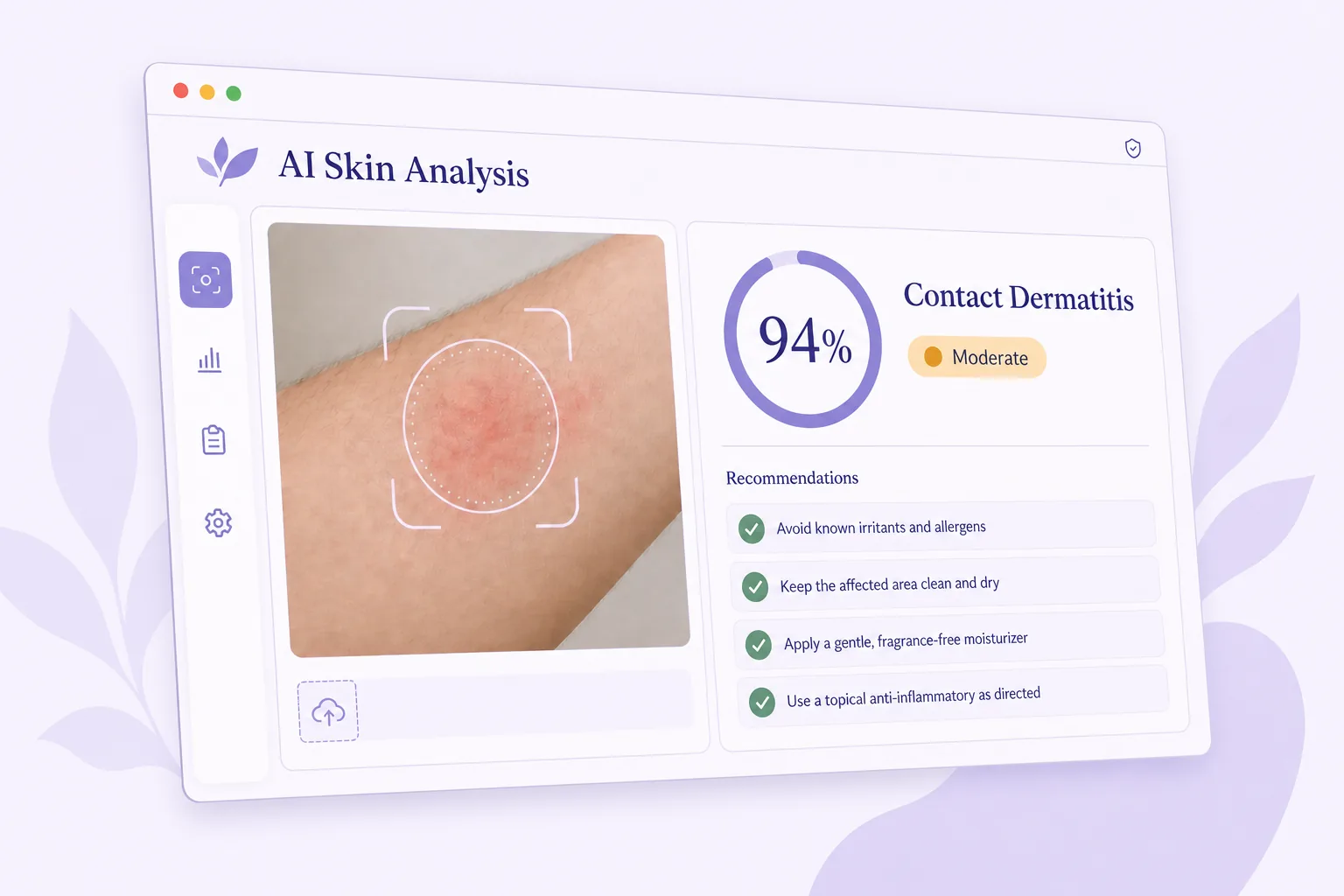
Not sure it's razor bumps? Scan the rash — RashScan compares it against 50+ skin conditions in about a minute.
Scan your rash nowHow to shave so they stop coming back
Getting rid of razor bumps once is easy; keeping them away means changing how hair is removed. The goal is to stop cutting hair below the skin line:
- Use a single-blade or guarded razor rather than multi-blade cartridges, which lift and cut hairs beneath the surface.
- Shave with the grain, in the direction the hair grows — never against it, however tempting the closer result.
- Don't stretch the skin taut while shaving; stretched skin lets the blade cut hairs below the surface.
- Clip instead of close-shave: an electric clipper leaving 1–2 mm of stubble is the standard dermatologist recommendation for severe pseudofolliculitis barbae.
- Chemical depilatories dissolve hair without a blade and work well for some people — always test on a small area first, as they can irritate.
- Laser hair reduction is the definitive option: by thinning and removing the hair itself, it stops razor bumps forming in treated areas. Several sessions are needed, but the improvement is usually long-lasting.
Conditions that can look similar
- Bacterial folliculitis: itchy or sore pus-filled bumps around follicles anywhere on the body — often from hot tubs, friction or occlusion rather than shaving.
- Acne keloidalis nuchae: firm, scar-like bumps across the back of the neck and hairline that can merge into keloid-like plaques — needs early dermatology care.
- Herpes in the beard area: grouped small blisters or shallow erosions on a red base, often recurrent in the same spot — can masquerade as shaving irritation.
- Ordinary acne or razor burn — both common in shaved areas, both treated differently from true ingrown hairs.
When to see a healthcare professional
- A deep, painful ingrown hair cyst that isn't settling with home care.
- Any sign of scarring or a tendency to form keloids — early treatment prevents permanent marks.
- Widespread pustules, crusting, or fever — possible bacterial infection needing prescription treatment.
- No improvement after several weeks of changed shaving technique and self-care.
- Firm, merging bumps on the back of the neck — get acne keloidalis nuchae ruled out early.
Sources and further reading
We use established public-health and dermatology references and link them directly so you can verify the guidance and read further.
Related skin guides
More skin tools from RashScan